
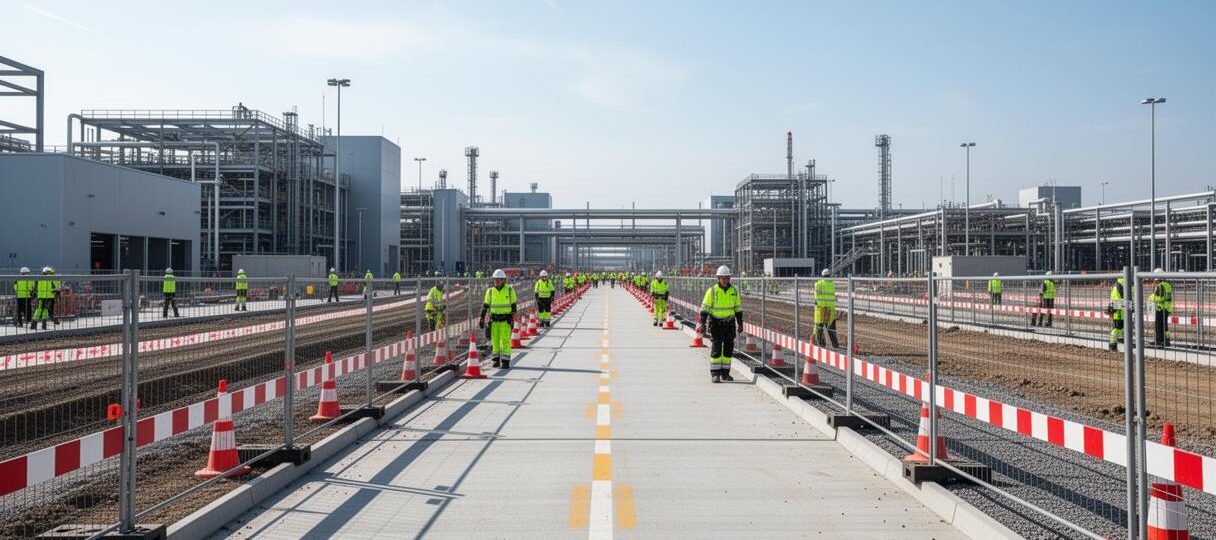
In any working environment, from a busy warehouse floor to a school corridor, the way safety information is communicated can make a profound difference to the wellbeing of everyone present. Workplace safety signs are far more than a legal formality — they are an active tool in shaping behaviour, reducing risk, and fostering a culture where people instinctively act with care. Understanding how their placement and design influence human decision-making is essential for any employer serious about workplace accident prevention.
What to know
- Strategic placement of safety signs serves as an active tool to influence employee behavior and interrupt unsafe actions in hazardous environments.
- Effective signage must be positioned at eye level near points of risk and along natural lines of travel to ensure immediate visibility.
- Regulatory compliance requires businesses to perform thorough risk assessments rather than placing signs arbitrarily to avoid legal and reputational risks.
- Well-designed signs utilize universal color coding, symbols, and durable materials to communicate critical safety information regardless of language barriers.
- Modern technologies like photoluminescent materials and LED lighting enhance visibility for night-shift workers and during power failures or emergencies.
- Consistent and well-maintained safety signage fosters a positive workplace culture by signaling an employer’s genuine commitment to employee wellbeing.
- Periodic reviews and maintenance of signage are essential to ensure safety communication remains effective as the working environment evolves.
The Role of Strategic Sign Placement in Shaping Safe Workplace Habits
How visual cues guide employee decision-making in hazardous environments
When workers move through a hazardous environment, they rarely have the luxury of pausing to deliberate. Decisions are made quickly, often automatically, and it is precisely in these moments that visual safety communication proves its worth. A well-positioned hazard warning sign does not simply inform — it interrupts a routine action at exactly the right moment, redirecting attention before an unsafe choice is made. Research into hazard awareness consistently shows that the presence of clear, legible signage alters behaviour in measurable ways, encouraging employees to follow correct procedures even when no supervisor is present.
The legal framework underpinning this is robust. Under the Health and Safety (Safety Signs and Signals) Regulations 1996, businesses are required to display clear and well-maintained signage wherever health and safety risks exist. Compliance is not optional, and the consequences of neglect extend beyond regulatory fines to genuine reputational harm. Engaging in a thorough workplace risk assessment is the starting point for identifying where signs are truly needed, rather than placing them arbitrarily.

Key Locations Where Safety Signage Has the Greatest Impact on Daily Behaviour
Placement is everything. A sign tucked behind a door or positioned at an awkward angle loses much of its value. Safety sign visibility depends on siting signage at eye level, near the point of risk, and along the natural lines of travel that workers already follow. The most impactful locations tend to include:
- Entrances to restricted or hazardous zones, where mandatory safety instructions and PPE requirement signs set expectations before workers proceed
- Emergency routes and exits, where emergency exit signage and emergency wayfinding markers provide instant orientation under pressure
- Machinery and equipment areas, where hazard warning signs alert workers to specific dangers at the precise moment of interaction
In high-rise and large industrial settings, the importance of photoluminescent signage should not be underestimated. Glow-in-the-dark signs maintain their guiding function even when power fails or smoke reduces visibility — a lesson brought into sharp focus by major fire incidents that exposed the consequences of insufficient emergency wayfinding for those responding to emergencies.
How Well-Designed Safety Signs Reduce the Risk of Workplace Injuries
The design principles that make safety signs effective at preventing accidents
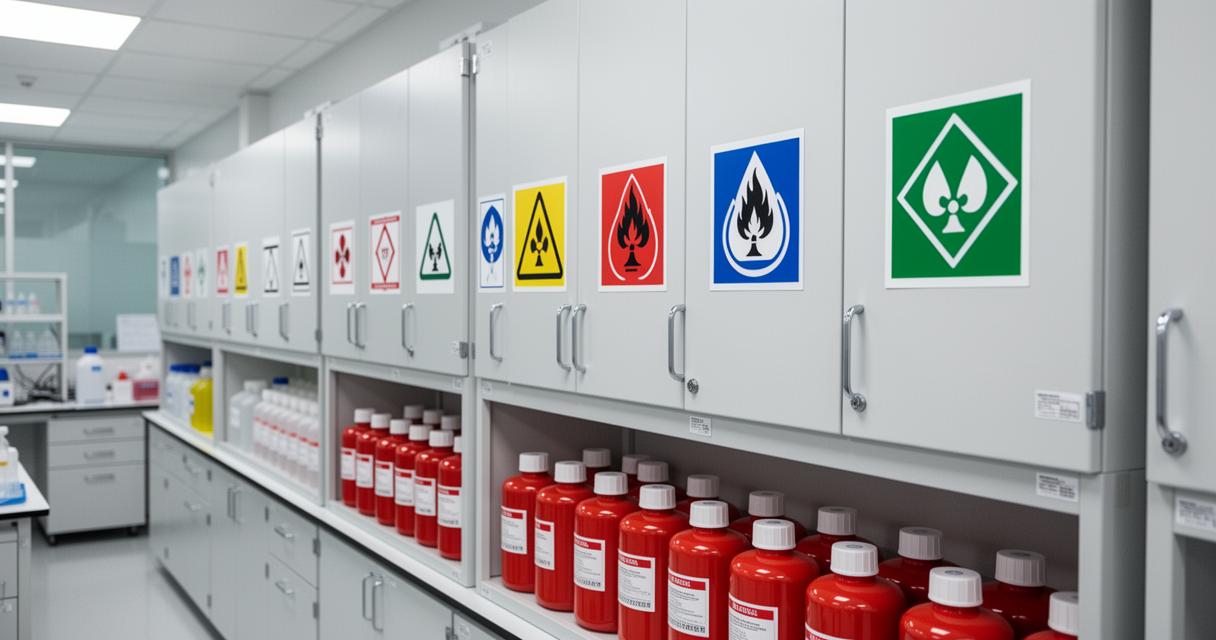
A sign that is difficult to read or interpret quickly becomes invisible to the workforce. Effective workplace safety signs rely on a combination of factors: standard colour coding that communicates meaning at a glance, universally understood symbols that transcend language barriers, and durable materials that withstand the conditions of the environment. Using durable safety materials is particularly important in industrial settings where exposure to chemicals, moisture, or physical impact can degrade lesser products rapidly.
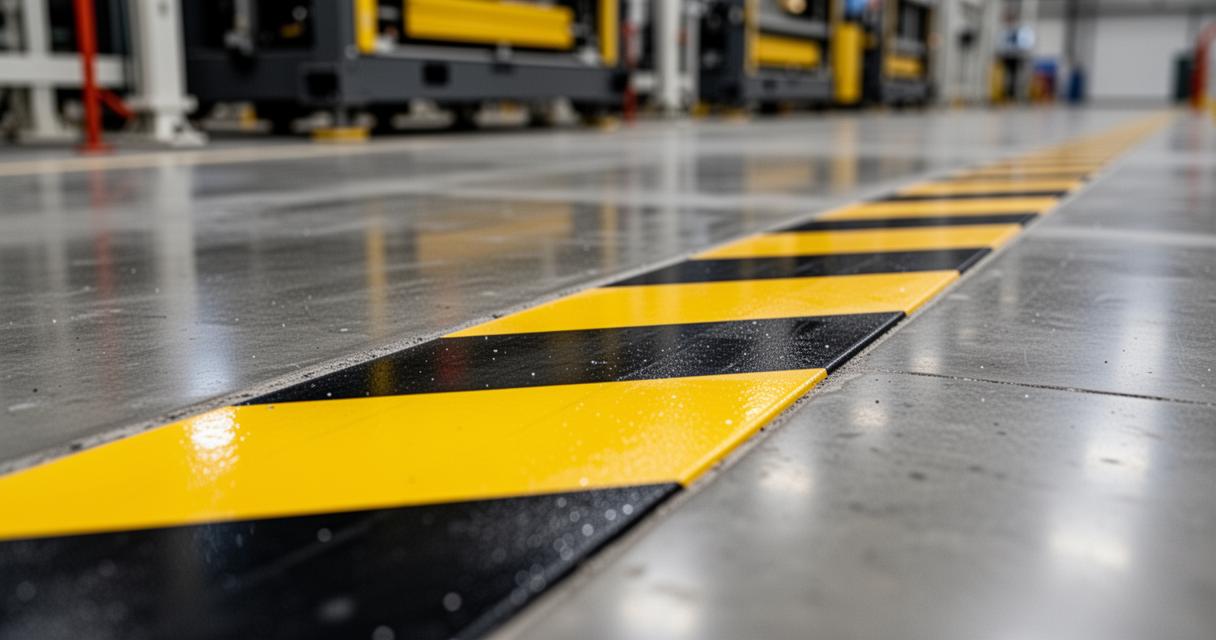
The United Kingdom has played a significant role in establishing industrial safety standards in this area, with British standards forming the basis for internationally recognised frameworks. This means that well-designed British signage carries a consistency of meaning that supports multi-national workforces and visiting contractors alike, reducing confusion and improving safety signage compliance across the board.
Modern technology has also expanded the options available. LED safety signs bring dynamic capability to visual safety communication, making messages more prominent in low-light conditions or environments where workers may experience fatigue. Nightshift workers, for instance, face a considerably heightened risk of injury compared to their daytime counterparts, and signs that command attention through luminosity or motion can serve as timely reminders of fire safety information, standard operating procedures, and other critical protocols.
Building a Safer Working Culture Through Consistent and Clear Signage
Perhaps the most enduring benefit of well-managed workplace safety signs is their contribution to safety culture. When signage is consistent, well-maintained, and genuinely informative, it signals to every employee that their employer takes health and safety regulations seriously. This message, repeated daily across every area of a workplace, gradually becomes part of the shared understanding of how work is done.
Effective signage also supports visitors and contractors who are unfamiliar with a site’s particular hazards, guiding them through spaces where they might otherwise make costly mistakes. Across industries as varied as manufacturing, construction, chemical processing, and food production, the principles remain consistent: signs must be visible, clean, and positioned with genuine thought for how people actually move and work. Regular maintenance and periodic review — ideally aligned with ongoing workplace risk assessment — ensures that the signage estate keeps pace with changes to the working environment, sustaining its protective function over time.


